Fish farming is one of the fastest-growing food systems in the world, but most farms overfeed their fish, wasting money and introducing excess waste into already fragile aquatic environments. The Aquaculture team uses computer vision and behavioral tracking software to monitor fish in real time, identifying hunger cues so farms can feed precisely rather than by guesswork. This semester, the team established a live monitoring system in a Cornell lab and began developing an automated feeder that translates their findings into a practical, deployable tool for fish farmers.
Project Overview
Stakeholders
Dr. Eugene Won's lab (tilapia research partner); Kenneth Post
Laboratory; future prospective fish farms in Ithaca
Disciplines / Majors
Biology, Computer Science, Mechanical Engineering
Team Overview
The Aquaculture team works within CUSD to apply machine
learning and automation to fish farming systems, with the goal
of optimizing feed delivery in ways that benefit both farmers
and the surrounding ecosystem. The team is made up of
undergraduate students across majors, organized into biological
and computational subteams. They work in Kenneth Post Laboratory
with tilapia from Dr. Eugene Won's lab.
Problem Statement
Traditional aquaculture systems prioritize maximum output
without accounting for feed overflow, which wastes money for
farmers and generates excess waste and bacterial growth in
enclosed water systems. No widely available tool exists to track
fish hunger cues or behavioral patterns in real time.
Approach
The team uses computer vision and machine learning to recognize
fish movement patterns and generate trackable behavioral data.
The biological subteam researches prior tracking methods and
identifies similar projects, while the computational subteam
builds and refines the algorithm and automation pipelines. A
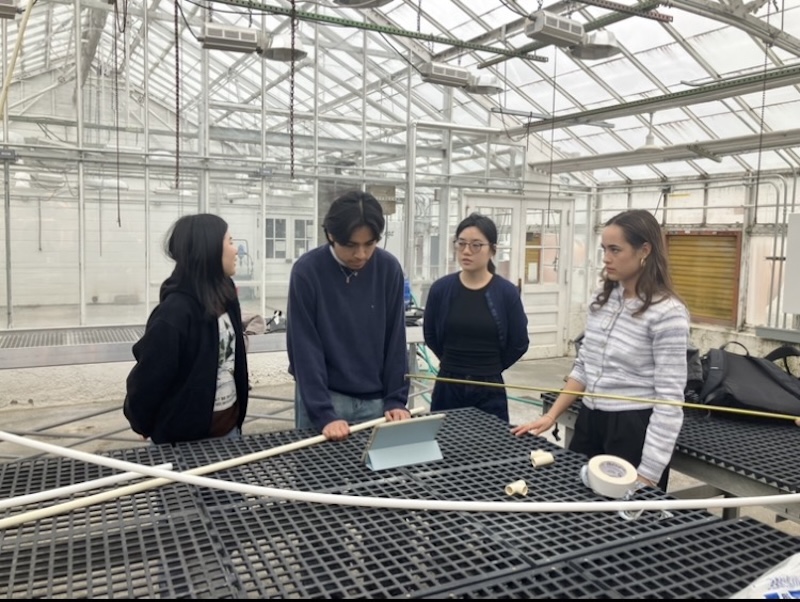
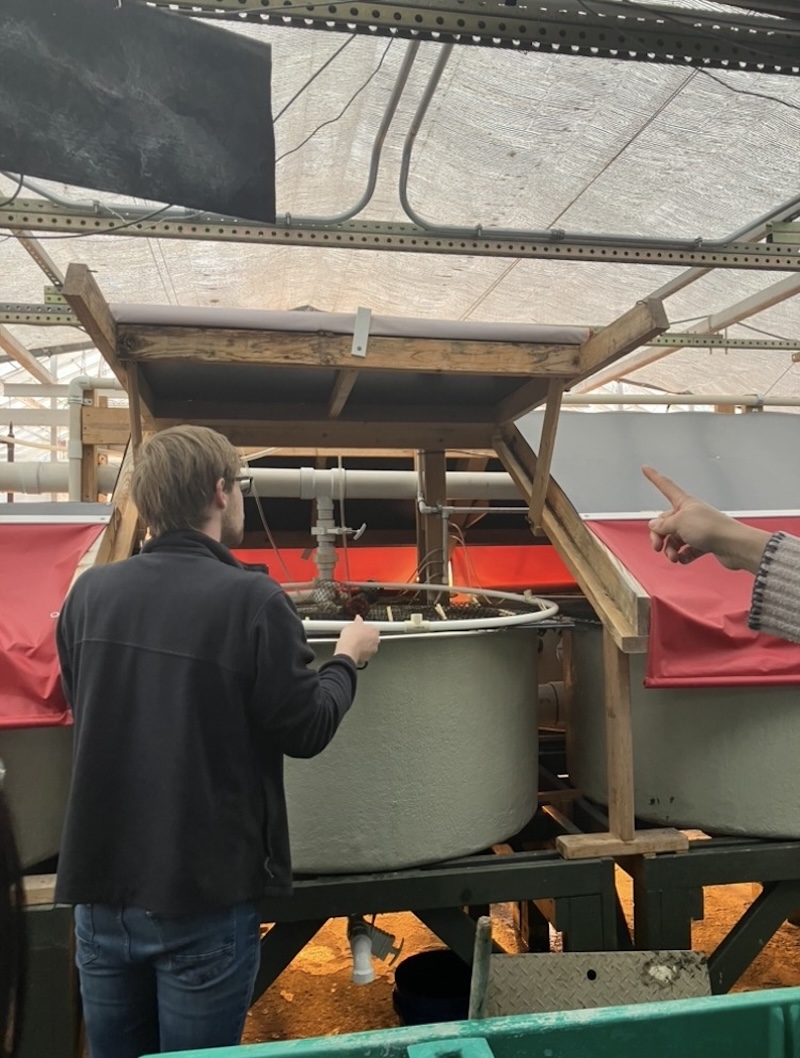
permanent remote monitoring setup has been established in
Kenneth Post Laboratory.
Key Accomplishments This Semester
Developed and refined an algorithm that recognizes fish
movement patterns and generates quantitative data on behavior.
Built automation pipelines to support data collection.
Established a permanent remote monitoring setup for tilapia.
Began development of an automated feeder program aligned with
observed behavioral patterns.
Next Steps
Continue gathering behavioral and hunger-cue data to build out
quantitative reports. Develop and test the automated feeder
prototype. Pursue a partnership with local fish farms in Ithaca
to study different environments. Compile findings toward
publishing a paper.
Risks & How They Were Addressed
The team operates in a niche, under-resourced field with
limited precedent. Ensuring code accuracy and pipeline
reliability has required ongoing debugging. The
biological-computational integration is complex, but the
dual-subteam structure and shared work on the automated feeder
have helped bridge both sides.
Our Work
Meet the Team
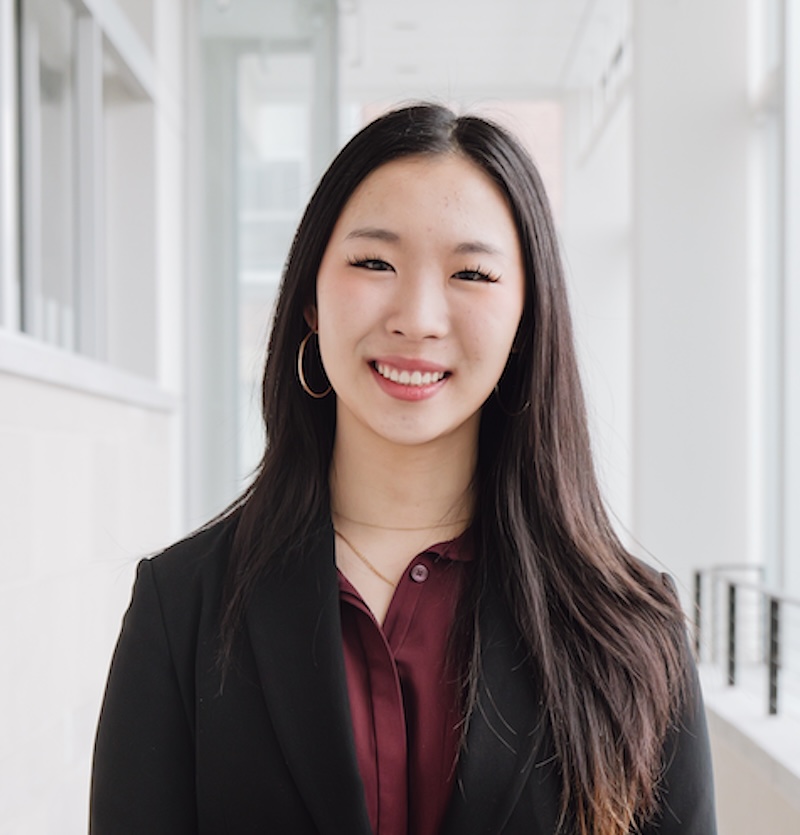 Caroline Lee
Co-Team Lead
Caroline Lee
Co-Team Lead
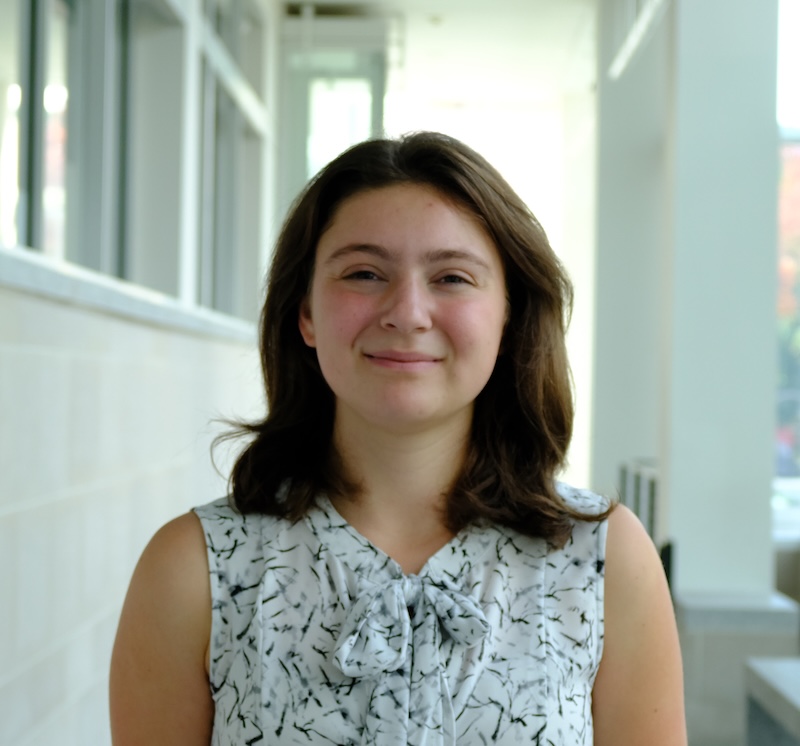 Taylor Ellinghaus
Co-Team Lead
Taylor Ellinghaus
Co-Team Lead
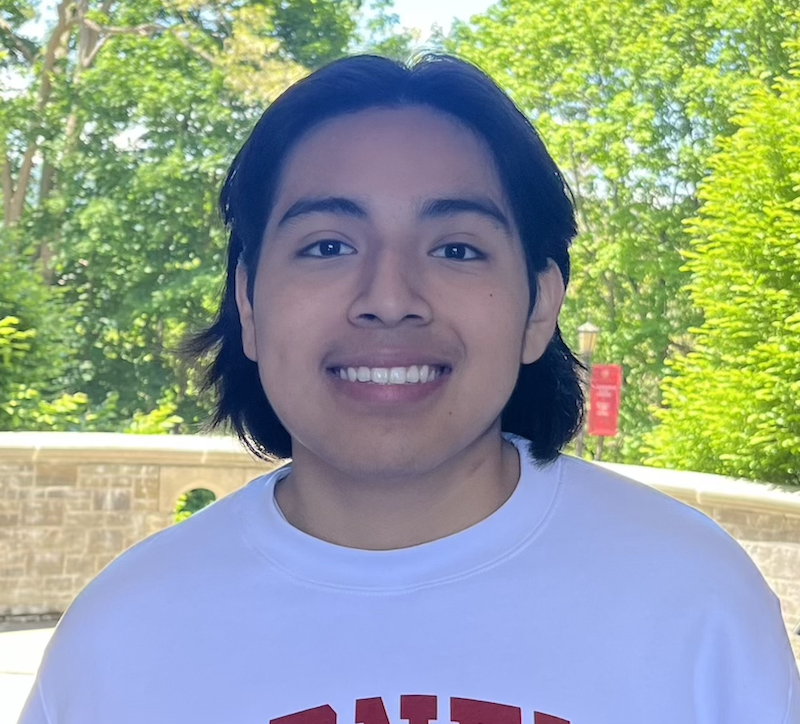 Alonso Ramos
Member
Alonso Ramos
Member
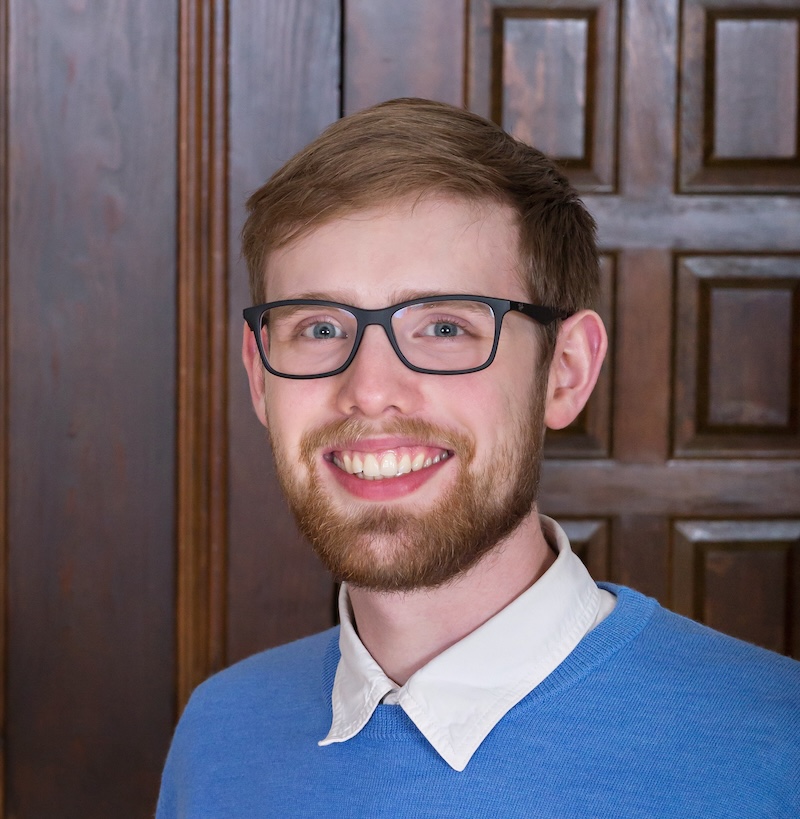 August Ehrlich
Member
August Ehrlich
Member
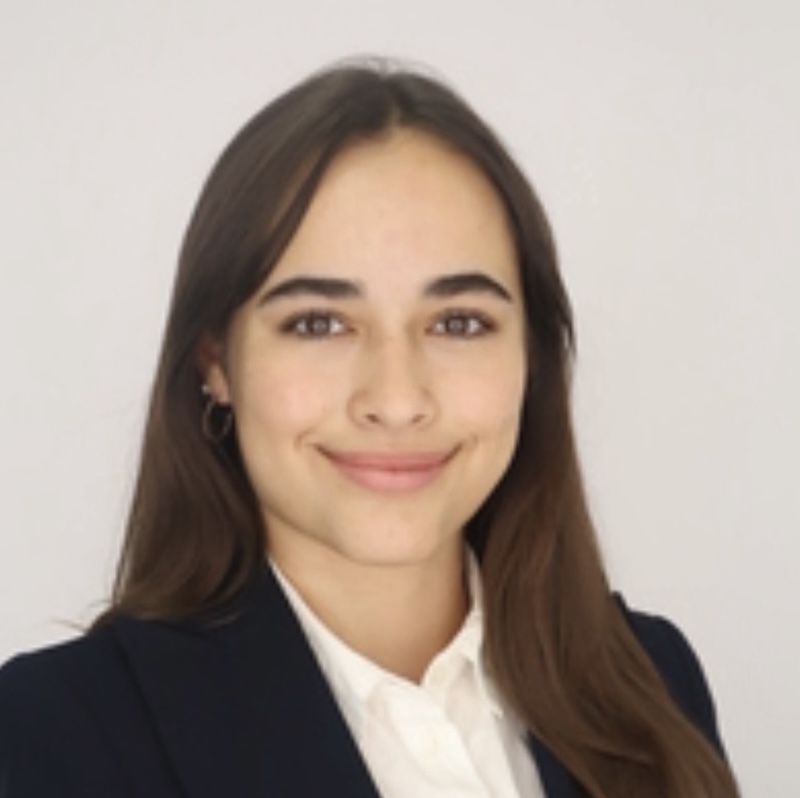 Grayce Garthoeffner
Member
Grayce Garthoeffner
Member
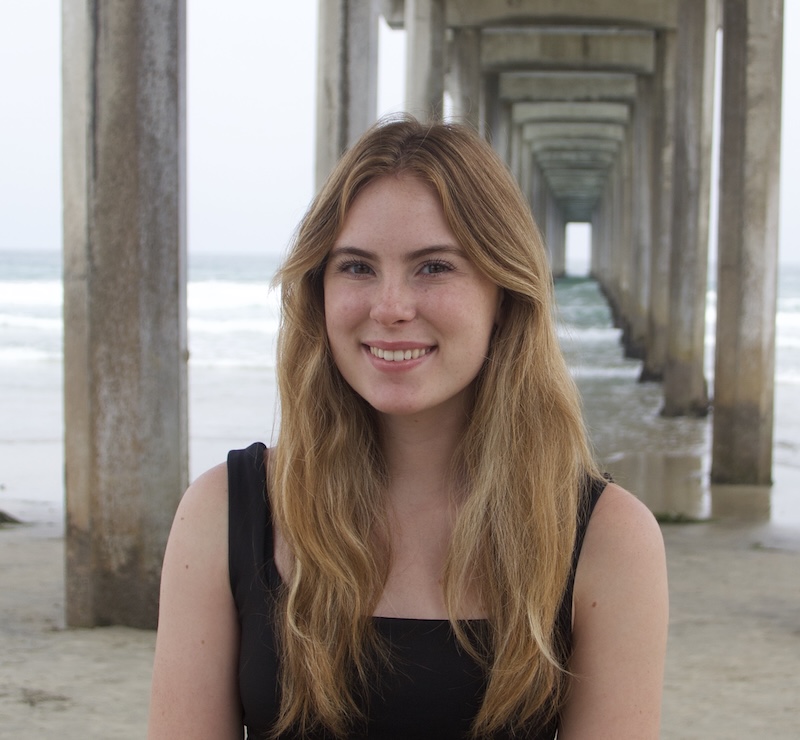 Holly Doran
Member
Holly Doran
Member
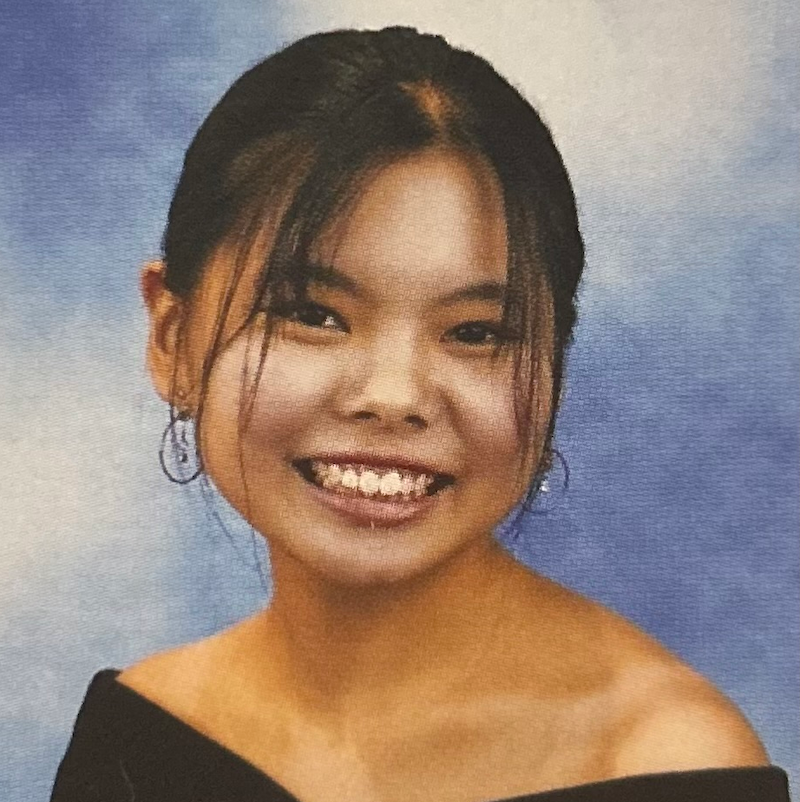 Lisa Iizuka
Member
Lisa Iizuka
Member
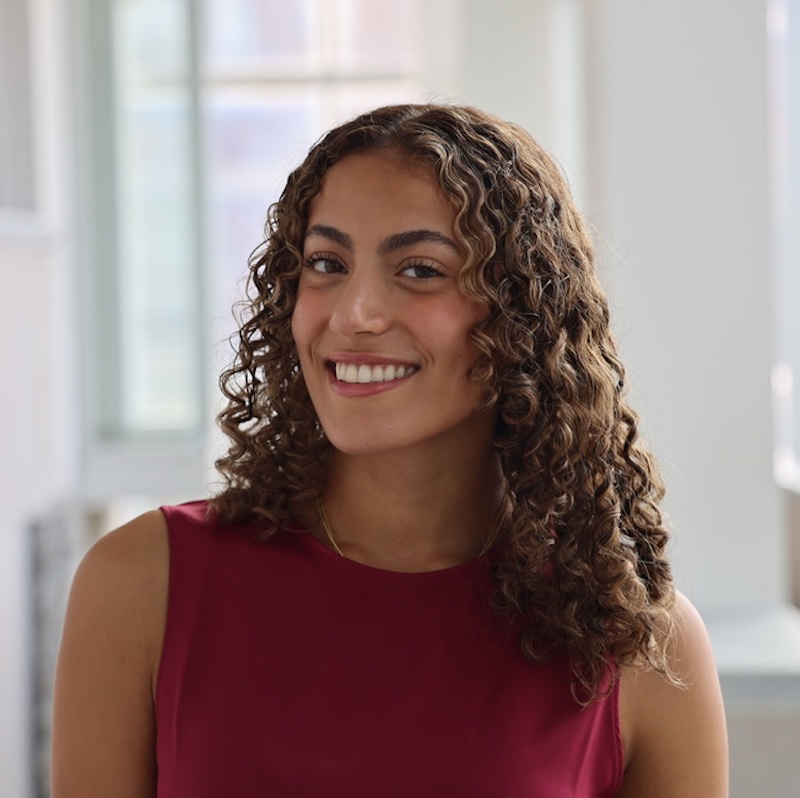 Noam Ben-Shlomo
Member
Noam Ben-Shlomo
Member
 Summer Shen
Member
Summer Shen
Member