Buildings waste enormous amounts of energy conditioning spaces that are sitting empty for much of the day. Currents addresses this by connecting a user's calendar to a building's HVAC system, predicting when a room will be occupied and adjusting the temperature accordingly, no new hardware required. This semester, the team finalized a fully functional mobile app, sharpened their thermal prediction models using real building data, and secured a pilot deployment at Cornell's Upson Hall, marking the project's first real-world test.
Project Overview
Stakeholders
Upson Hall Facilities (confirmed pilot partner); Cornell
building management systems; prospective corporate clients
including hotels and office spaces
Disciplines / Majors
Software engineering, physics, machine learning, business
Team Overview
Currents is a student-led CUSD project developing an
intelligent HVAC management system that reduces building energy
consumption without requiring new hardware. The system uses user
calendar data and thermal prediction models to optimize heating
and cooling schedules for single-occupancy rooms. The team is
organized into five subteams: Mobile, Backend, Modeling,
Predictions, and Business.
Problem Statement
Buildings waste significant energy heating and cooling
unoccupied rooms. Existing systems don't adapt to user
schedules, leading to energy use during empty periods and
uncomfortable conditions upon arrival. A solution is needed that
works within existing infrastructure and is easy for occupants
to use.
Approach
Users interact with a React Native mobile app to input calendar
data and temperature preferences. The backend processes this
information and communicates with building management and HVAC
systems to execute real-time adjustments. The Modeling team
develops thermodynamic equations to predict room conditioning
time, while the Predictions team applies regression models and
machine learning to improve accuracy. The Business team manages
client outreach and develops cost-benefit analyses.
Key Accomplishments This Semester
The modeling team improved thermal equations by incorporating
solar radiation and air leakage terms. The mobile team prepared
a fully functional app for pilot testing. Backend team automated
data export processes and debugged prediction pipelines. The
Predictions team improved model accuracy using advanced
regression techniques. The business team successfully negotiated
a pilot deployment in Upson Hall.
Next Steps
Launch the Upson Hall pilot, gather real-world usage data, and
refine models based on live performance. Business team to expand
outreach to corporate clients such as hotels and office
buildings. Technical teams to continue optimizing all system
components.
Risks & How They Were Addressed
System reliability is critical ahead of pilot launch. The team
has addressed this by automating backend processes and
continuously testing the prediction pipeline against real data
from Upson Hall. Integration across five subteams requires
strong coordination, which the team has managed through regular
cross-team meetings.
Meet the Team
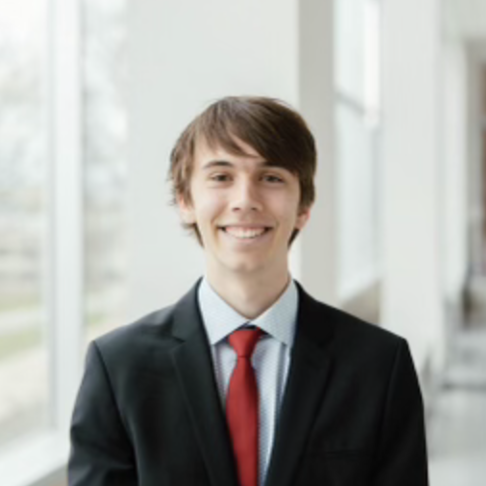 Milo Borek
Co-Team Lead
Milo Borek
Co-Team Lead
 Sunny Kim
Co-Team Lead
Sunny Kim
Co-Team Lead
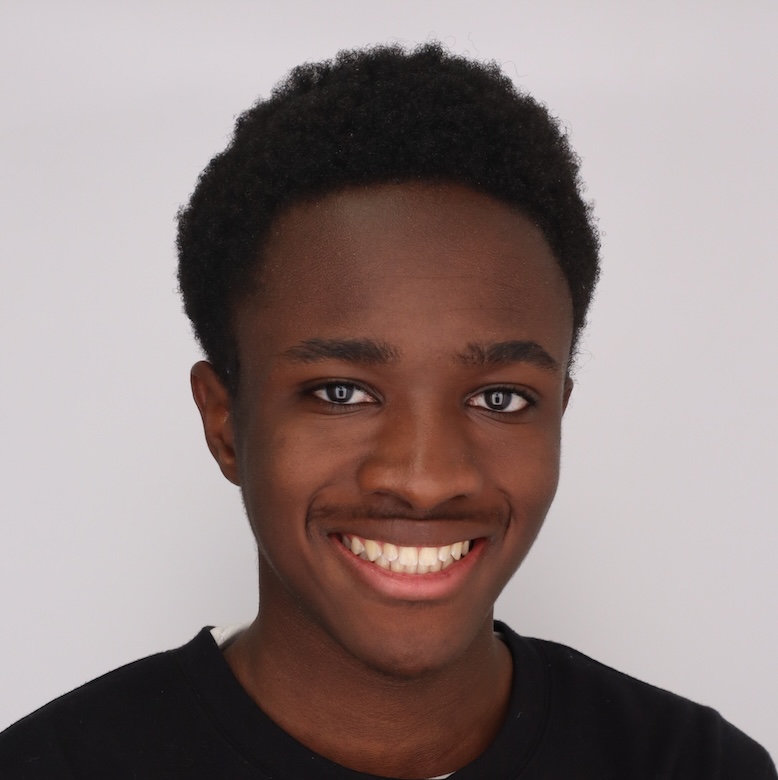 Brandon Jackson
Member
Brandon Jackson
Member
 Charlie Foley
Member
Charlie Foley
Member
 Diya Singhal
Member
Diya Singhal
Member
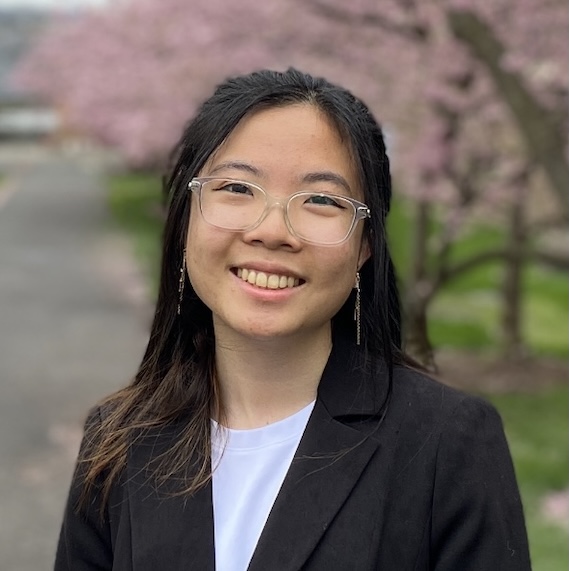 Elizabeth Woo
Member
Elizabeth Woo
Member
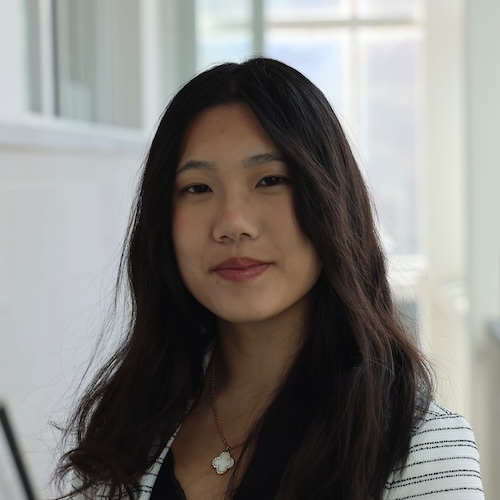 Janet Yu
Member
Janet Yu
Member
 Jordan Capla-Wasserman
Member
Jordan Capla-Wasserman
Member
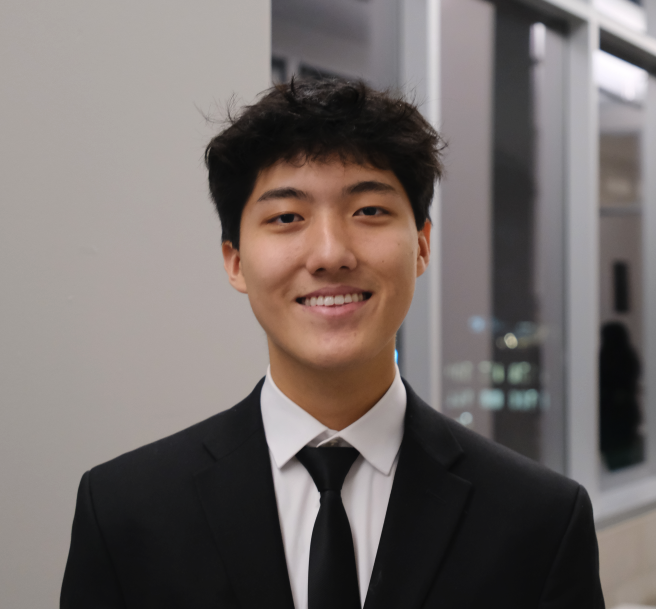 Kevin Zhang
Member
Kevin Zhang
Member
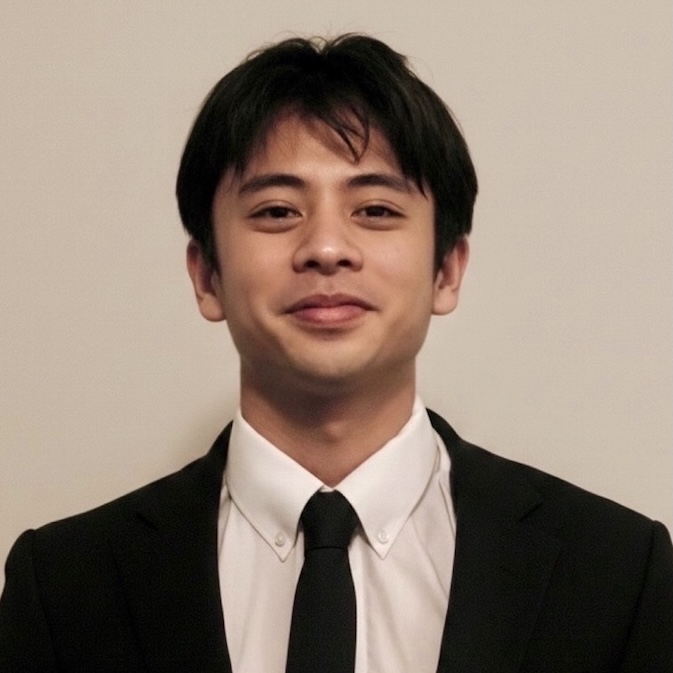 Luke Cura
Member
Luke Cura
Member
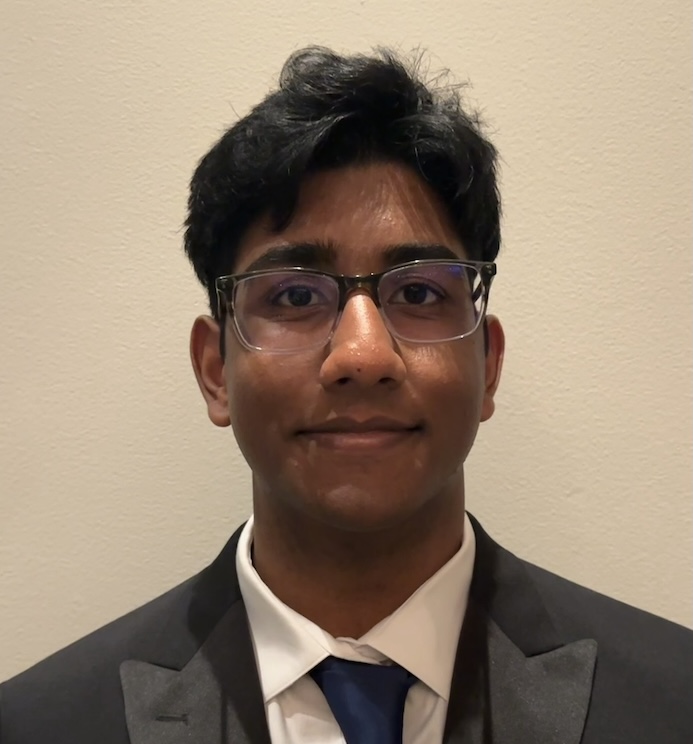 Nihal Bankulla
Member
Nihal Bankulla
Member
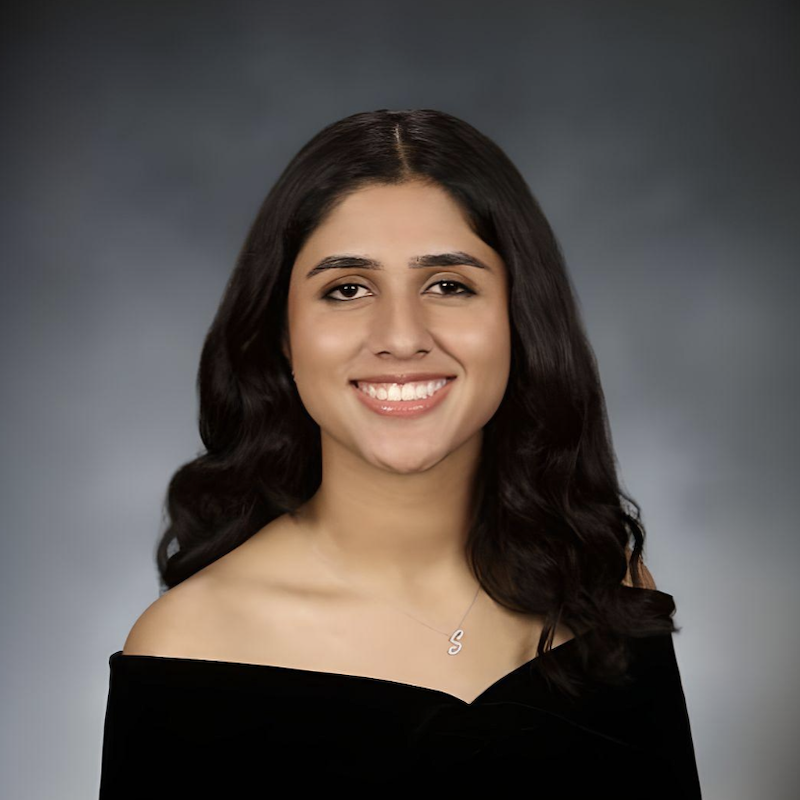 Sanjana Bajaj
Member
Sanjana Bajaj
Member
 Tyler Gerst
Member
Tyler Gerst
Member