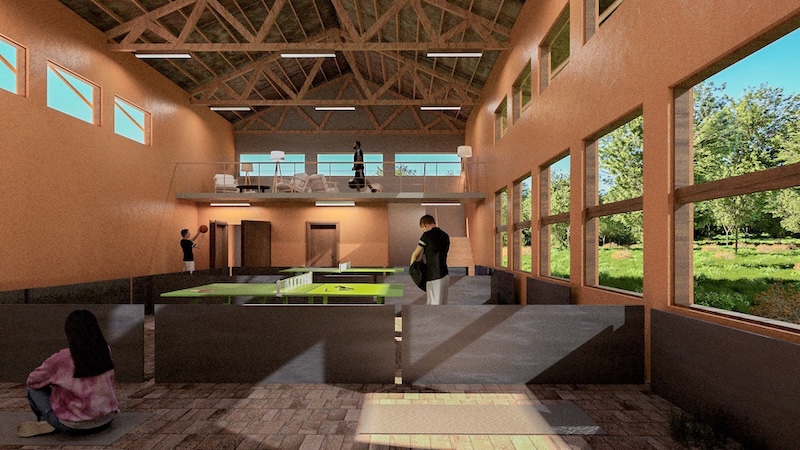
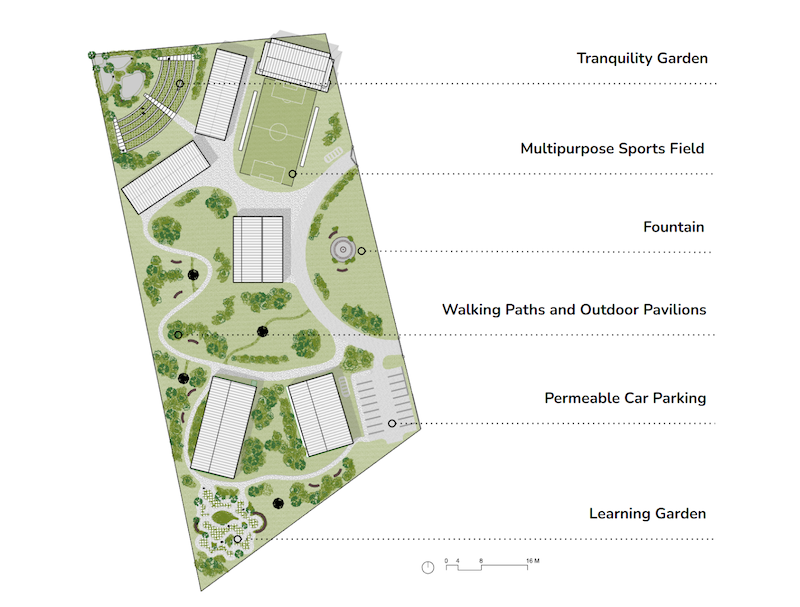
Access to quality school infrastructure remains out of reach for many communities constrained by remote geography, limited materials, and extreme environmental conditions. The Sustainable Education team designs schools for exactly these contexts, working alongside local partners to develop structures that are buildable with available materials, constructable by local labor, and responsive to the climate and culture of the place. This semester, the team continued development of a K-8 school in Humla, Nepal, a site where the logistical challenges of simply getting materials to the location are as central to the design process as the architecture itself.
Project Overview
Stakeholders
United World Schools (UWS), primary project partner; local
students, teachers, and community stakeholders in project
regions; CUSD adjacent teams working on landscape and
infrastructure
Disciplines / Majors
Architecture, environmental systems, community
development
Team Overview
The Sustainable Education team within CUSD is a hybrid
research, design, and implementation group focused on advancing
educational access through built interventions in underserved
communities. The team operates at the intersection of
architecture, development, community engagement, and
environmental systems. Its primary partnership is with United
World Schools (UWS) to design and deliver primary and secondary
school infrastructure in regions limited by geography, climate,
and economic constraints.
Problem Statement
In extremely remote regions like Humla, Nepal, access to
quality school infrastructure is limited by geography, extreme
climate, scarce material availability, unreliable transportation
networks, and exposure to natural hazards such as flooding and
landslides. Conventional architectural approaches often fail in
these contexts due to their reliance on external supply chains
and technical expertise.
Approach
The team's methodology is grounded in contextual
responsiveness. Projects begin with site-specific climate
analysis, material availability studies, construction
feasibility research, and hazard assessments. Rather than
importing external architectural ideals, the team adapts
vernacular building systems such as rammed earth, stone masonry,
bamboo, and gabion walls, combined with targeted technical
improvements including passive solar design, daylight
optimization, thermal massing, and photovoltaic integration
where viable. Community engagement is central: the team conducts
workshops, translated surveys, and iterative feedback sessions
with students, teachers, and local stakeholders. Where possible,
local labor is employed and trained during construction.
Key Accomplishments This Semester
Produced research documents, environmental analyses, and design
guidelines supporting the K-8 school project in Humla, Nepal.
The team has served as an internal knowledge hub within CUSD,
informing adjacent project teams. Community engagement processes
have been built into the design workflow, including translated
feedback mechanisms and local labor integration.
Next Steps
Continue development of the Humla, Nepal K-8 school project.
Refine replicable frameworks for educational infrastructure that
can be applied to future projects in similarly constrained
contexts. Deepen community engagement processes and build on
knowledge transfer during construction phases.
Risks & How They Were Addressed
Logistical constraints in remote contexts are as significant as
design decisions. Transportation limitations affect material
sourcing, and climate hazards require careful siting and
structural decisions. The team addresses these by prioritizing
locally available materials and vernacular construction
techniques that can be executed without specialized imported
equipment.
Our Work
Meet the Team
 Andrew WheatCo-Team Lead
 Hanna ObelCo-Team Lead
 Alexa LiuMember
 Alfred NazhiyamparaMember
 Annika SchadtMember
 Arman DaragahiMember
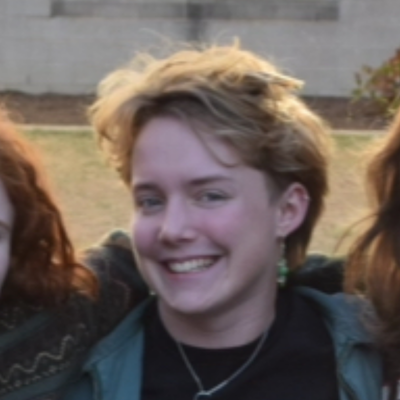 Charlie McCauleyMember
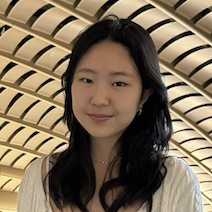 Ella KimMember
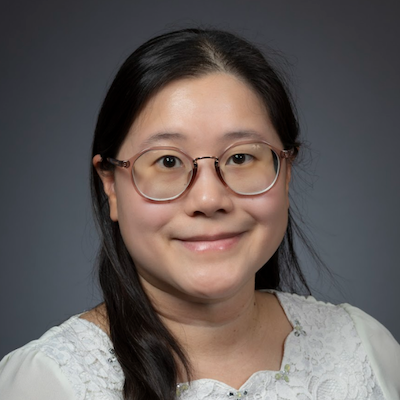 Ivy LoMember
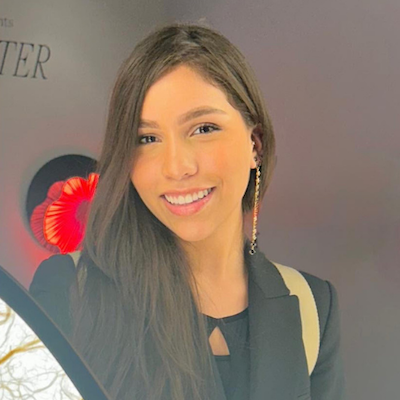 Juanita LondonoMember
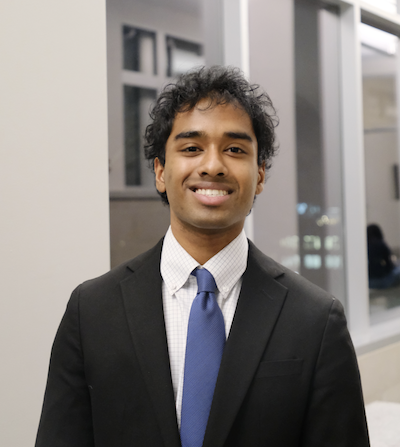 Kennan ChockalingamMember
 Maple DingMember
 Nawat NhanMember
 Noah LindemannMember
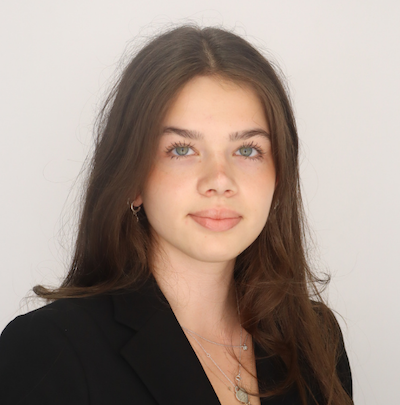 Sarah AdlerMember
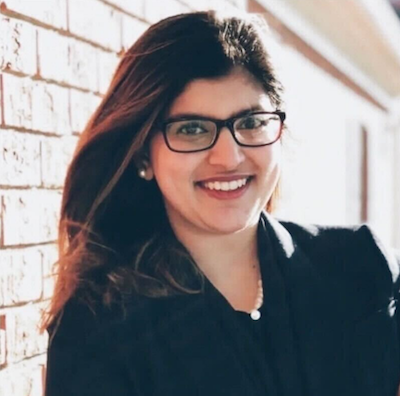 Shaista MallikMember
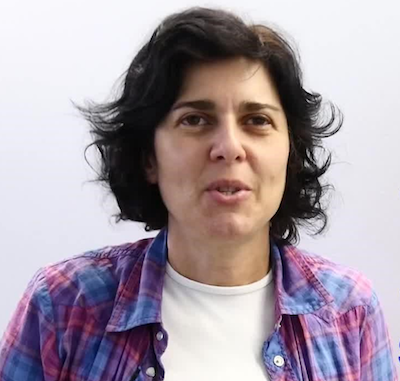 Sirietta SimonciniMember