Currents
Smart HVAC optimization using calendar data and thermal modeling.
Currents is a student-led project developing smart, occupancy-based HVAC technology to make buildings more energy-efficient. By combining sensors, predictive algorithms, and real-world testing, we’re working to reduce unnecessary energy use without compromising comfort.
- 13People
- 2Leads
- 3Partners
About
Currents connects a user's calendar to a building's heating, ventilation and air conditioning (HVAC), predicting when a single-occupancy room will be used and conditioning it only then. The team works in five subteams: Mobile, Backend, Modeling, Predictions and Business.
- Partners
- Upson Hall Facilities (confirmed pilot partner)
- Cornell building management systems
- Prospective corporate clients including hotels and office spaces
Current projects
Smart HVAC Technology
Developing an occupancy-based system that uses sensors and predictive algorithms to optimize heating and cooling based on how spaces are used.
Pilot Testing
Working toward implementing Currents in campus buildings to test our system in real-world environments and evaluate its performance.
Energy & Cost Savings
Exploring how smarter HVAC control can reduce unnecessary energy consumption, lower operating costs, and support Cornell’s sustainability goals.
System Development & Integration
Collaborating across technical and non-technical teams to develop, test, and improve the system, from hardware and software to building integration.
Campus Partnerships
Connecting with Cornell Facilities, Sustainability teams, and other stakeholders to identify opportunities for implementation and expansion.
From a calendar to a comfortable room
01 Schedule
People add their calendar and temperature preferences in the Currents app.
02 Model
Thermal equations, now with solar radiation and air leakage, estimate how long a room takes to heat or cool.
03 Predict
Regression models and machine learning make that timing more accurate.
04 Adjust
The backend tells the building's HVAC system what to do, in real time. First pilot: Upson Hall.
Join the team
Who we're looking for
We welcome students from all majors and backgrounds who are excited about sustainability, technology, and building real-world solutions.
Hardware & Prototyping: Working with sensors, electronics, and physical system components.
Software & AI: Developing algorithms, analyzing data, and supporting occupancy-based HVAC control.
Mechanical & Building Systems: Understanding HVAC systems, energy use, and building integration.
Business & Partnerships: Researching potential pilot sites, conducting outreach, and coordinating with stakeholders.
UIUX: Building the frontend system for the customer-facing side of the app.
No prior experience in sustainable building technology is necessary, we look for curious, proactive people who want to learn and contribute.
Project details
The problem
Buildings waste significant energy heating and cooling unoccupied rooms. Existing systems don't adapt to user schedules, leading to energy use during empty periods and uncomfortable conditions upon arrival. A solution is needed that works within existing infrastructure and is easy for occupants to use.
Approach
Users interact with a React Native mobile app to input calendar data and temperature preferences. The backend processes this information and communicates with building management and HVAC systems to execute real-time adjustments. The Modeling team develops thermodynamic equations to predict room conditioning time, while the Predictions team applies regression models and machine learning to improve accuracy. The Business team manages client outreach and develops cost-benefit analyses.
This semester
The modeling team improved thermal equations by incorporating solar radiation and air leakage terms. The mobile team prepared a fully functional app for pilot testing. Backend team automated data export processes and debugged prediction pipelines. The Predictions team improved model accuracy using advanced regression techniques. The business team successfully negotiated a pilot deployment in Upson Hall.
Next steps
Launch the Upson Hall pilot, gather real-world usage data, and refine models based on live performance. Business team to expand outreach to corporate clients such as hotels and office buildings. Technical teams to continue optimizing all system components.
Meet the team
Leads

Milo Borek
Milo Borek on LinkedIn (opens in a new tab)Co-Lead

Co-Lead


Members
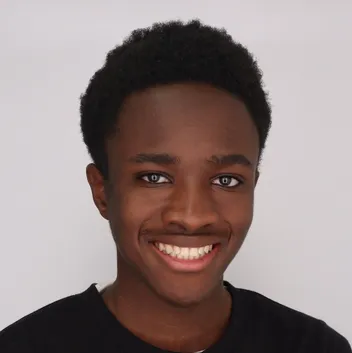
Brandon Jackson

Charlie Foley

Diya Singhal
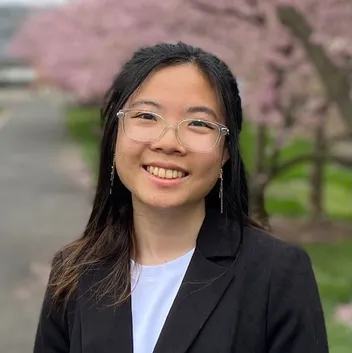
Elizabeth Woo
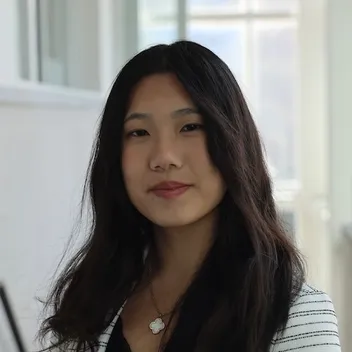
Janet Yu

Jordan Capla-Wasserman
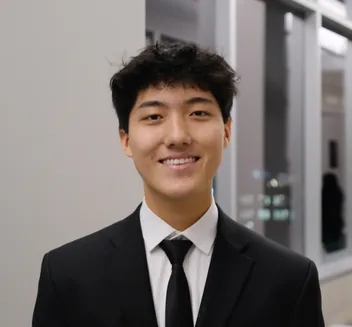
Kevin Zhang

Luke Cura

Nihal Bankulla

Sanjana Bajaj

Tyler Gerst


